Ever considered engine tuning before? If you have ever driven a new car off the lot and wondered whether or not you could get more torque or horsepower out of it, then chances are, you’re going to benefit from learning how to tune your car!

Car tuning is all about tapping into the ECU, or the central control panel of your vehicle (sometimes referred to as PCM or ECM). It’s here where the magic happens, quite literally – your car’s various components learn how hard to push themselves, and more often than not, the engine parameters aren’t exactly working at their most efficient.

That’s not to say all cars roll off the lot as vastly inferior to what you expect! However, what you can expect is a world of potential in your machine that you might not otherwise have thought possible.

Tuning a car can be complex, so consider this to be a beginner’s guide – let’s dive in.

What is Car Tuning?

Tuning a car is all about looking at the individual parts and mechanisms of your vehicle and understanding the roles the play in overall performance. Making your car run faster, become more fuel efficient, or increasing horsepower isn’t always a case of switching parts out. More often than not, you can grab hold of a car performance tuning kit to upgrade your vehicle’s central computer module, without needing to swap out any physical components.

Car tuning normally requires a piece of kit that directly connects to your car’s ECU, which, again, is the ‘brain’ of the operation. If you want to know how to tune car ECU based on your exact make and model, you’ll need to refer to your manufacturer – but luckily, leading manufacturers in these products will give you plenty of support and guidance.

Engine retuning, car performance tuning, you name it – it all refers to releasing a handful of blockades in your ECU that might be holding things back. Ultimately, tuning a car could save you from having to completely gut your vehicle for new parts. That’s going to be plenty of time and effort saved!

How to Tune Your Engine

Tuning your engine is as simple as booting up a car tuner and plugging into your ECU – the best units will have on-board controls and displays where you navigate your way to the elements you really want to tweak and adjust.

Naturally, there are going to be different ways for you to manage your car tuning depending on the vehicle you drive. Therefore, consider this to be a bit of an opening guide to the different components that your average engine tuner unit will give you access to.

Ignition

Efficient fuel ignition can do more to speed up your vehicle than you might imagine. This tends to be a little bit of an after-thought or even the cherry on the cake when it comes to ECU tuning. However, if you’re not so keen on changing the spark plugs, it’s well worth tweaking the ignition in your settings. Most tuning devices have pre-loaded ignition timing configurations that have been meticulously designed and tested to extract maximum performance for specific fuel octanes.

That said, this may be one of the more appropriate avenues where a physical upgrade may be more worthwhile – in our experience, it’s worth plugging in a tuner to get the most out of your ignition regardless.

Induction

Induction is all about making sure that your engine takes in an additional heft of air – where possible – improving its efficiency. Making full use of induction is one of the key features you’ll find available on most ECU tuners, meaning if you feel your engine really could be doing more to claim that last bit of HP, it’s worth tweaking. Many ECU programmers have a setting which optimizes the power curves and ignition timing for different types of air intake assemblies. That said, only very specific engines and types are safe for forced induction.

Air Filtration

This is where things start to get really interesting. Air filtration, believe it or not, is often pretty restricted when your car rolls off the lot. That’s largely as a safety measure – after all, unfiltered air reaching your engine is going to cause more problems than improvements.

However, a car tuner can encourage your ECU to filter in more air before it reaches ‘dangerous’ levels. Specifically, it’s about taking your car’s filters beyond the ‘default’ option. There’s a way you can go before you need to switch to new filters necessarily, too.

Fuel and ECU Mapping

Believe it or not, ECU mapping can even help you to change the air-fuel ratio in your engine, too. It’s entirely possible to claim a bit of extra horsepower just by altering this ratio just safely enough. Of course, the only way you can do this safely is to make sure you have a leading car tuner to hand. The pre-loaded tunes that come on most ECU tuners have preset air-fuel ratio settings which have been tested and configured to make sure your vehicle’s engine produces the most power possible without putting strain on engine components.

Fuel injection is one of the first go-to options tuning enthusiasts opt for when they first plug into the ECU.

What Are Some of the Best Car Tuner Manufacturers?

If you’re keen to get the best out of your car but are unsure where to start, it’s always a good idea to look at tuners and ECU mapping kits available through Total Z Parts. We’re proud to partner with a wide variety of top makes and brands, each of which have their own selling points and unique kits.

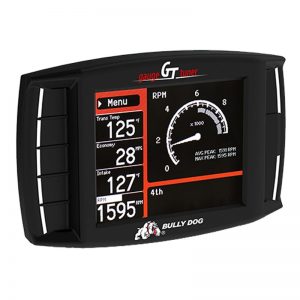
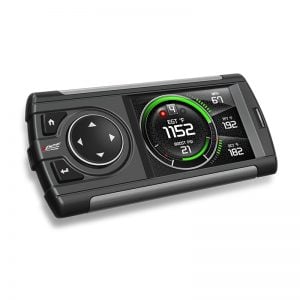
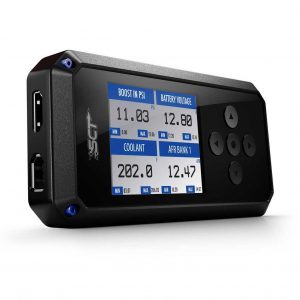
For example, car tuners from the likes of Edge and SCT are widely available through our store. We’re also pleased to be tuning retailers for the likes of Bully Dog and Diablo Sport, both of which we are closely partnered with.

When dealing with something as sensitive as car tuning, you must make sure that you buy kit or equipment from a reputable brand. Otherwise, you may run the risk of actually doing damage to your engine.

Take it from us – you’ll want to invest in an engine tuner that’s simple to get started with, and which will really help you wring every last drop from your vehicle’s horsepower!


Whether you are relatively new to owning a pickup or are looking for new ways to protect your cargo, then looking into tonneau covers is an absolute must. But what is a tonneau cover? What is it about tonneau truck covers that are going to help you keep your vehicle and everything in it as safe as possible for the days and weeks ahead?

If it’s your first time looking into any kind of bed cover for your truck – for work or for leisure – don’t worry – There is a more to securing your vehicle than just locking it when not in use. Therefore, before you go ahead and invest in any pickup truck hard bed covers or otherwise, make sure to clue up on the top advantages to installing such a cover for your own pickup below.

Tonneau Covers Provide Instant Added Security

It’s tempting to just leave your items and tools in your truck overnight without much in the way of coverage, but honestly, this is a recipe for disaster. The best tonneau covers for pickup trucks will ensure that you can easily cover up your cargo and leave it stowed in your truck bed overnight without fear of any kind of unwanted access.

While some tonneau covers for pickup trucks may seem pretty flimsy on the surface as a result of how easy they are to put on and take off, the very best in tonneau protection is surprisingly sturdy. For maximum security of your bed cargo, be sure to look for an aluminium roll-up tonneau cover, or a hard folding 3-piece tonneau cover.

Tonneau Covers Help You Organize Your Cargo

Yes, believe it or not, one of the major car cover advantages, or at least the pros of tonneau covers, is the fact that you will be able to secure and organize your cargo that little bit more efficiently. If you have previously struggled to get your items or tools in order, then you might just find a leading bed cover for truck purposes to be a breath of fresh air.

No, tonneau truck covers aren’t going to allow you to shuffle everything into alphabetical order, but what they will do is allow you to get your sensitive stock pinned down and secured towards the back of your vehicle. With a sturdy bed cover, you eliminate the risk of your items sliding over the sides of your bed or jumping out of the bed if you hit a big pot hole.

If you’re looking into the pros and cons of tonneau covers, you may not see organization high up there on the list of priorities, but it’s certainly something to consider if you are sick and tired of your cargo falling about all over the place.

Do Tonneau Covers Improve Mileage?

One of the most common questions pickup drivers ask about these attachments is: do truck bed covers improve gas mileage? For new pickup truck owners, this might seem like a bit of an odd question to ask, but the answer is a resounding yes – tonneau covers absolutely save you gas from journey to journey. But how do tonneau covers save gas, exactly, when they fix to the back of your pickup?

It’s all in the drag! Believe it or not, having all of your tools, items and other cargo out in the open will create more wind resistance and result in slowing down your vehicle, meaning that you’re going to end up wasting more fuel without a tonneau cover. It’s thought that a bed cover or tonneau cover is likely to help lower your gas usage by up to 10%, though 5% is more likely. In any case, the amount of efficiency, and the savings you’ll pick up along the way, may well surprise you.

They are Great for Leisure and Business

It’s pretty safe to say that the best tonneau covers are flexible for all kinds of usage. They are perfect for helping to keep your tools and sensitive materials dry from the rain and other weather. Additionally, if you have plenty of sensitive items that you are carrying from one place to the next for personal reasons, a cover is going to give you extra guarding against any would-be thieves or vandals.

Therefore, if you likely use your pickup for work as well as for leisure pursuits, a great quality tonneau cover is going to provide you with immense value at work as well as at play. It makes sense to invest in a premium tonneau cover option if you know you are going to get more than a few years’ use out of it!

You’re Protected Against All Kinds of Damage

Yes – ultimately, the best quality tonneau covers for pickup trucks are going to protect you against damage, as well as against any kind of potential theft. That’s because the best manufactured covers are resistant against penetrative attack as well as against weather damage. Therefore, you can easily leave your items in your truck bed overnight and not have to worry about anyone succeeding on breaking in.

Ultimately, a truck bed cover is a great investment no matter who or what you want to protect your vehicle and your cargo against. Again, it is all well and good trying to protect your pickup by just locking up every once in a while, but with a bed cover, you’ve got that little bit more in the way of physical coverage.

Now you know a little bit more about tonneau covers and why they are so important from drive to drive, why not start looking around for your own perfect fit? Leading tonneau cover providers produce a wide range of solutions to fit popular makes and brands. However, there are also plenty of different types of pickup bed cover out there, too, meaning you’re going to need to take your time to look through what’s out there.

Be sure to take your shopping spree with care and attention. The best tonneau cover on the market might not fit your specific needs, necessarily – so don’t be afraid to shop around.


We all want our new cars and trucks to perform brilliantly from the moment we put the key in the dash. However, as any tuning expert will tell you, there’s tons of potential in even the sleekest of machines. That’s why so many gearheads invest in top SCT engine tuners to really upgrade their drives.

SCT is a leading brand and manufacturer in engine tuning. Tuning your engine is now easier than ever – as well as more precise – thanks to their amazing expertise. Of course, there are plenty of tuning brands out there, but SCT is one such name we really think is worth looking into.

But where do you even get started with an engine tuner? What is it about SCT that makes their products worthy of purchase? What’s your potential for HP.

In this guide, we’ll take a look at what you need to know about getting your own engine tuned up and working to its full HP potential.

Why SCT Tuners?

Many drivers and gearheads lean towards SCT’s car tuner range simply because they’ve been at the forefront of the tuning game for so long. Coming up on 20 years, the team specializes in creating robust, sustainable tuning solutions. To you and me, that means an SCT product is built to last, and is designed to offer almost unlimited insight into your driving potential. Generally, SCT has specialized in Dodge, GM, Ford, and Chrysler over the years. However, their tech is certainly broadening.

SCT’s color displays and tuning innovations made waves at the start of the 00s to mid-decade. Since then, they’ve upgraded their engine tuners to allow for touchscreen functionality, and a wider range of chip adjusting than ever before. However, what already worked brilliantly for SCT, remains unchanged. If it ain’t broke, don’t fix it.

How Much HP Does an SCT Tuner Add?

You might expect to gain up to 120 HP with a diesel engine, up to 50 HP with a naturally aspirated gas engine, and up to 100 HP with a turbo-charged gas EcoBoost engine. SCT programmer kits are tuned more aggressively than most others on the market.

However, this is only really the max potential. The HP you could receive in the form of a tuning boost may vary depending on your vehicle, engine age, and of course, the engine tuner you end up purchasing.

So, our advice here would be to read the manufacturer details carefully and to consider your existing HP and performance. It’s a really good idea to keep an open mind, as many motorists before you – and many afterwards – will likely be disappointed when miscalculating the HP potential.

How Do I Tune an SCT Tuner?

Actively tuning your ECU with an SCT engine tuner will vary depending on the type of device you use. Often, it is simply a case of connecting the device through your vehicle’s relevant port and following the on-screen instructions.

However, for the purpose of this guide, let’s focus on how you can actually upload and use custom tunes for your engine.

To download and apply custom tunes through SCT engine tuners, you are going to need to either use the manual uploading process, or cloud sync.

Cloud Sync

  • Cloud sync is generally the smoothest way to upload custom tunes, though you’ll only be able to use this function through select SCT tuners. These, at present, include the GTX and BDX.
  • Make sure you connect your tuner to Wi-Fi, and that your tunes are available via the cloud.
  • Choose ‘Program Vehicle’ once your tuner boots up, check the details on screen, and make sure your device is up to date and at the latest version. Then ‘Continue’ to sync with the cloud.
  • You can then select available tunes, from your dealer or otherwise, and ‘Continue’ to upload them into your device. From there, follow the standard tuning process, as outlined in your SCT tuner manual.

Manual Sync

  • Manual sync will apply if you are using SCT tuners such as the Livewire or X4 lines, as these do not have cloud connectivity. However, it’s still easy enough to download and transfer custom tunes.
  • You’ll need a PC or laptop to get started. That’s because you’ll need to download the relevant SCT device update software for your machine and tuning kit.
  • Once this software is good to go, you will need to connect your tuner to your PC via USB cable. Make sure any custom tunes you want to use are ready on your desktop or somewhere you can easily transfer from.
  • Open the Device Updater and make sure to head to Basic Operations. You’ll then need to click ‘Load Custom Tune File’, before ‘Locate Custom Tunes’. You’ll then browse tunes available.

Choose the tune you want, and the Updater program will port it into its own window under ‘Available Tunes’. Click the middle arrow and then ‘Program’ and give it time to transfer. Simple!

Benefits of an SCT Tuner

SCT performance tuner kits tend to be the best in the game – according to many experts – simply because of their sheer potential for massive HP.

The fact is, SCT has had plenty of time to design and develop fantastic tuning kits, meaning you can always expect their products to lead the way for many copycat devices. Since 2003, the company has cultivated a lot of praise.

These tuners also go beyond simply beefing up your engine with raw power. If you care more about the overall efficiency of your machine, then an SCT product is flexible to your needs. What’s more, you can tweak your tuning experience based on fuel economy, too.

SCT isn’t the only long running or reputable engine tuner brand out there, but it’s certainly near the top of the pile.

Why Buy From Us

We’re licensed partners of SCT products, and not only that, we retail a wide range of top rated engine tuners and alternative brands you’ll need to really bring the best out of your machine.

Why not take a look at our trusted catalog of tuners and tuning kits available right now?


Are you keen to add an extra beam of light to your off-road vehicle? Then it may well be time to start thinking about choosing some driving lights. Learning how to install off-road lights actually isn’t that complex! The best part is off-road lights are perfectly simple to set up on your own. You don’t have to ask for help from an engineer or mechanic unless you really want to.

If you’re taking a look at high powered driving lights and want to know how to wire offroad lights of your own, we’ve set up a guide here to help you on your way. Make sure to read up on how to install off-road lights before you buy any new fittings for your vehicle!

Off-Road Light Installation: The Basics

What you’re really going to need to do before you start wiring off-road lights is to actually consider where you’re going to put them. Should they go low down, or up high? Typically, your decision should be based on the state you drive in, as you’re going to need to play ball with the road authority. As it stands, off-road lights count as vehicle modifications that you might actually need permission for. It’s always a good idea to check.

In most cases, you’ll find that leading off-road lighting kits come with all the components you need. This might not always be the case, so keep your eyes out for light mount bars and wiring harnesses, which are two of the basics you might need to get your driving lights put in place safely and securely. It might also be a good idea to take a look at the wiring map of your vehicle.

A wiring diagram of your vehicle might be available from your manufacturer directly, or, if you are very organized, you might already have such a guide or plan to hand with your other driving documents. In any case, if you really are worrying about getting these lights set up properly, it makes sense to have some form of roadmap.

How to Install Driving Lights

Learning how to install offroad lights can vary from vehicle to vehicle and from kit to kit. However, there are a few general points on how to install off-road lights that you can carry across various brands, kits and 4×4 vehicles.

  • You should firstly make a point to take a look at your dash. Find somewhere that’s going to be easy for you to access the light switch itself, as you’re going to need to install this as a priority.
  • Take a look at your wiring map if you have one. You should look for any sign of an AUX switch installation point. It might actually be obvious when you investigate the dashboard, but if not, don’t worry too much. You might need to get drilling, in which case, ensure you are covered to do so under warranty.
  • You will then need to mount your relay for the lights. This is going to need to go in the engine and battery region. However, you must keep it away from any key engine points. Getting it near to the battery is a big plus.
  • You should then make sure to wire up the relay and chassis. This is where you should find some form of point for grounding, and this point is going to need to be clean and clear.
  • Then, head back to the dash. This is where you’ll need to connect wiring from the switch you drilled in earlier, through to the headlamp. You’ll need to go through the firewall, and you’ll need to work out which wire on the lamp is the high beam.
  • Connect your switch wire to the high beam.
  • Then, going back to the relay, you’ll need to feed a relevant wire through the firewall back to the dash, and then towards the lights. Don’t forget, you’re going to need to have grounded your lights to the chassis or body, which will serve as the negative/ground connection.
  • Then, connect wiring via a fuse between relay and battery. You’re then ready to safely test your new off-road lights. If you want to adjust the power, you can, and you can then tighten up and close up.

Which Off-Road Light is Best?

The best off-road lights for you will all depend on your driving needs, as well as on what you’re looking for from a leading manufacturer.

Before learning how to wire offroad lights, take a look at the main styles and types available to buy. A few of the most popular options are LED light bars, LED light pods, and LED fog lights. Each have different power outputs, different experiences, and serve different purposes. LED light bars tend to be the most expensive but are some of the most widely used for off roading.

You should ideally be looking into the wattage, power ratings, and lumen output of off-road lights you are considering. These specifications will tell you how intense of a beam you can expect, as well as the total power draw from your vehicle’s power supply.

There are no one or two best off-road light options out there. As you can see, we supply a wide variety of different brands and manufacturers, meaning that you really do have a lot of choice in store. Take a look at our profiles on our off-road lighting partners to learn more.

Conclusion

Learning how to install off-road lights and off road light wiring doesn’t have to be a hassle. This is a job that doesn’t necessarily need an engineer’s support, which means to really save yourself some money, time and hassle, you might want to think about tooling up and taking a closer look for yourself!

Take a look at our wide array of off-road lights and wiring kits. If any of the above sounds confusing, don’t worry – once you get into it, things really start to get a lot easier. Who knows – in time, you might find yourself becoming a bit of a pro at setting up your own 4×4 upgrades and enhancements!


When it comes to protecting your pickup, you should always be thinking about your tonneau. This is the open tray or space to the back of your vehicle. While it might not seem as though this is particularly at risk, it makes sense to not only protect it against any would-be wrongdoing, but also the weather.

Therefore, you will likely do well looking into tonneau cover comparisons to make sure that your truck is fully protected. But where do you even start when it comes to setting up a tonneau covers comparison? What types of tonneau cover are likely to work best for you?

In this guide, we’ll take a look at what you need to know when searching for that best bed cover, and how the different types of truck bed covers may adapt to your specific vehicle or needs.

What’s the Best Tonneau Cover?

There’s no one set of tonneau covers or truck bed covers that are perfect for everyone. The needs of one pickup driver will differ to the next, and that’s often as a result of the size and type of vehicle they’re driving.

However, the best truck bed covers should all give you some form of guarantee when it comes to the absolute security basics.

For example, some truck bed covers will be better at keeping things safe and secure. Others will upgrade the look of your vehicle entirely. Ideally, you should be able to remove and reattach your tonneau covers with ease.

That said, there are multiple types of bed covers and tonneau covers out there. No one or two options are overall ‘the best’, so let’s take a look at what you’re going to need to know to hunt down the right picks for you.

What to Look for in a Tonneau / Truck Bed Cover

You’ll find that truck bed covers come in hard and soft options. Soft covers, as you’d imagine, are lighter and easier to set up. However, hard tonneau covers are preferred by many as they offer fantastic security and protection against the elements.

Of course, you should also carefully look at the way a bed cover attaches and removes from your tonneau. Some roll, some fold, some cap, and some retract.

When choosing between covers, you should look for a truck bed cover that offers you a seamless, upgraded look or aesthetic for your pickup and one that provides fantastic security. This means you can easily leave tools and valuables in the bed or tonneau of your truck with the cover protecting it overnight, or while you are away. The security of a hard folding, locking bed cover is a big plus for many truck owners, as it means they can confidently leave heavy duty items, sensitive or otherwise, in their truck beds without fear of them going missing or getting stolen.

What’s more, you may even be able to upgrade and enhance the tonneau of your pickup with a rack or two. This means that if you need additional storage capabilities, you will already have the base for innovation and wider support right there, ready to go.

Above all, you should look for bed covers that protect your pickup and its contents from the elements. Weather can wreak havoc – rain, wind, UV, even dust – all can damage your truck and anything you have in it.

The most secure tonneau cover options hard folding aluminium covers or a rigid one-piece cap; these designs are tough, seal tightly, and can only be opened when the tailgate is unlocked.

Rolling Tonneau / Truck Bed Cover

Roll up tonneau covers tend to be some of the most popular available on the wider market; that’s generally thanks to their ease of installation, affordable price, and everyday protection. Soft rolling or roller truck bed cover systems are ideal for family vehicles, though perhaps less so for those pickups used for sensitive cargo or business purposes.

The soft rolling option is extremely lightweight and easy to manage, making it one of the foremost popular types of truck bed covers for those who don’t want to have to handle anything too heavy or complex.

Because roll up covers may not be the most secure tonneau cover option when it comes to keeping sensitive products and cargo safe, you may want to look at purchasing a solid cover.

Hard Rolling Tonneau / Truck Bed Cover

A hard rolling tonneau cover is just as easy to manage as your soft rolling system, but it naturally offers that little bit more in the way of rigidity, protection and dependability.

These options tend to be great for drivers who are likely to be transporting various pieces of equipment or even smaller vehicles around with them. They tend to combine a rugged construction and build with incredible ease of use and flexibility, making them some of the most appealing choices. If you’re looking for a premium rolling tonneau cover option, we even stock motorized electric covers that open and close with the touch of a button.

Just roll your bed cover back and forth as and when you need to. Soft covers are great, but for better overall protection, a hard roll design is going to be a better pick.

Folding Tonneau / Truck Bed Cover

A folding tonneau cover or truck bed cover, much like rolling systems, arrive either in hard or soft, meaning that you can choose tougher protection or a more lightweight solution – the choice is yours. Folding covers tend to work brilliantly for those drivers who are unlikely to need to keep peeling their covers back and forth too often. They are great all-around solutions that require little effort, but provide maximum results.

Finding the best tonneau covers for you doesn’t mean you always have to go with the pack. Consider how often you use your pickup, and what you are likely to store in your bed or tonneau. These two factors alone should help you hunt down that ideal choice sooner rather than later, meaning you can easily budget ahead. Take a look at what’s out there!


If you’re new to the world of engine tuning, it probably stands to reason that you want to know how it all works. The various ins and outs of engine performance tuning can seem a little complex at first, however, the benefits of using engine programmers are fairly easy to spot!

In this guide, we’ll be taking a look at all the benefits of engine tuners and performance tuner systems. Even if you are completely new to tuning up vehicle engines, it’s worth looking into the wider reaching benefits before you go ahead and buy!

How Do Engine Tuners Actually Work?

Ok – so let’s take a look at the science and tech behind engine programmers first. Essentially, engine tuners are miniature devices which you can use to sync with the firmware of your vehicle. However, if this sounds a bit vague, it actually does a bit more than that.

You’re effectively looking at a handheld computer that can help you to tweak and adjust certain areas of performance in your vehicle. While you can do plenty of things to improve performance by switching out physical elements and features, you can do a lot to improve the power of your car, for example, by using an engine tuner to communicate with your on-board CPU.

Normally, you’ll find that you can connect engine programmers directly through your engine via your dashboard. You don’t have to go for a dash mount, but it’s often one of the most convenient places to keep your tuner in case you want to change things up at short notice.

Engine performance tuners cover a lot of different ground. For example, they can help to improve your horsepower, to keep your coolant temperature in check, and to balance out the performance in your engine. While it’s easy enough to assume that your car is going to come operating at peak performance when you first buy it, this isn’t always going to be the case. Therefore, if you are finding yourself struggling for horsepower and really want to get your money’s worth, then there are more than a few things you can do to ‘crack’ into the system.

Types of Tuners

It’s also worth keeping in mind that there are a few different pieces of tech you can use in performance tuning, no matter the vehicle or make you drive. These are, in brief:

  • Chips, which connect to your CPU or PCM. These are some of the most common tuner types and are those we described above. This link directly to your engine.
  • Modules, which instead of connecting to your engine, focus on different sensors you may have under your bonnet. These will read information from a sensor and send a different result to your PCM.
  • Programmers, meanwhile, plug directly into your diagnostics and let you tune up via control module. These systems are very popular with drivers who are looking to change up pressure and temperature, for example.

All three types of tuners work through engine modification. This means that they will focus on a range of different factors in your engine and PCM communication. This may include the size and frequency of pulses, as well as timing.

Unlock the Full Potential of your Vehicle

As mentioned, you will naturally want to buy a vehicle that’s the best you can get for your cash. However, when you start driving, you may find that there are some aspects which you need to fine tune. This may include horsepower, air pressure, or even coolant temperature.

Overall, engine tuning allows you to improve the performance of your car up to its optimal potential. Why settle for anything less than the best for your money?

You Can Improve Your Fuel Economy

It’s entirely possible to use performance tuners to help your fuel go that little bit further. For example, you may find that some tuning systems or chips have coach services on-board. These will tell you what you need to tweak and adjust, and when, to make sure that your engine is using enough fuel, and to make sure you are not wasting anything.

The possibilities for improving your economy when it comes to miles to the gallon will, of course, vary from case to case. However, it’s great to know that you may not have to do too much to really get the most out of your performance.

It’s Easy to Manage

One of the most popular reasons for people taking up engine tuners is for the simple fact that it is much easier to manage than people imagine.

In many cases, as stated, you’ll be able to completely tweak and tune your engine from a control panel, which means you can always see what’s going on. Some of the best performance tuning systems even make suggestions to you, meaning that if you are completely new to the world of tuning up your engine, you can follow a template or guide, so you know how to make the most of it. If you really know what you’re doing, of course, you don’t have to follow this!

Easier to Install Than You Think!

What might put some people off tuning altogether is the misconception that car tuning and performance engineering is likely to be difficult. This is rarely the case. Custom tuning, for example, is based around your specific vehicle and is likely to be easier and more flexible to manage.

However, tuning systems come in all shapes and sizes, and from a variety of brands. No two might ever be the same! Take your time to look through some of the top brands available online and see what’s picking up the best reviews.

We all want the best out of our cars, and sometimes, that means giving them a bit of an extra push. And why not? Take your time and find the right fit.

Conclusion

Hopefully our guide has helped you understand a lot more about the process of how engine tuners work and function. If you found this article interesting, we’re sure you’ll enjoy our article about engine performance tuning and how that works. Feel free to contact us any day of the week